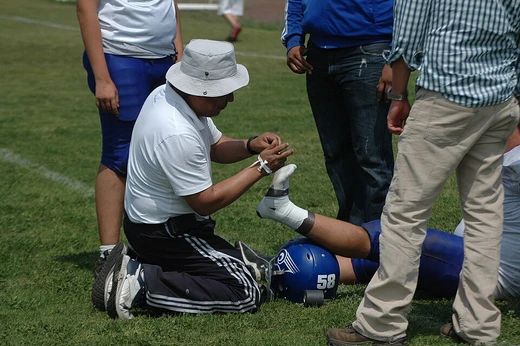
Sports injury
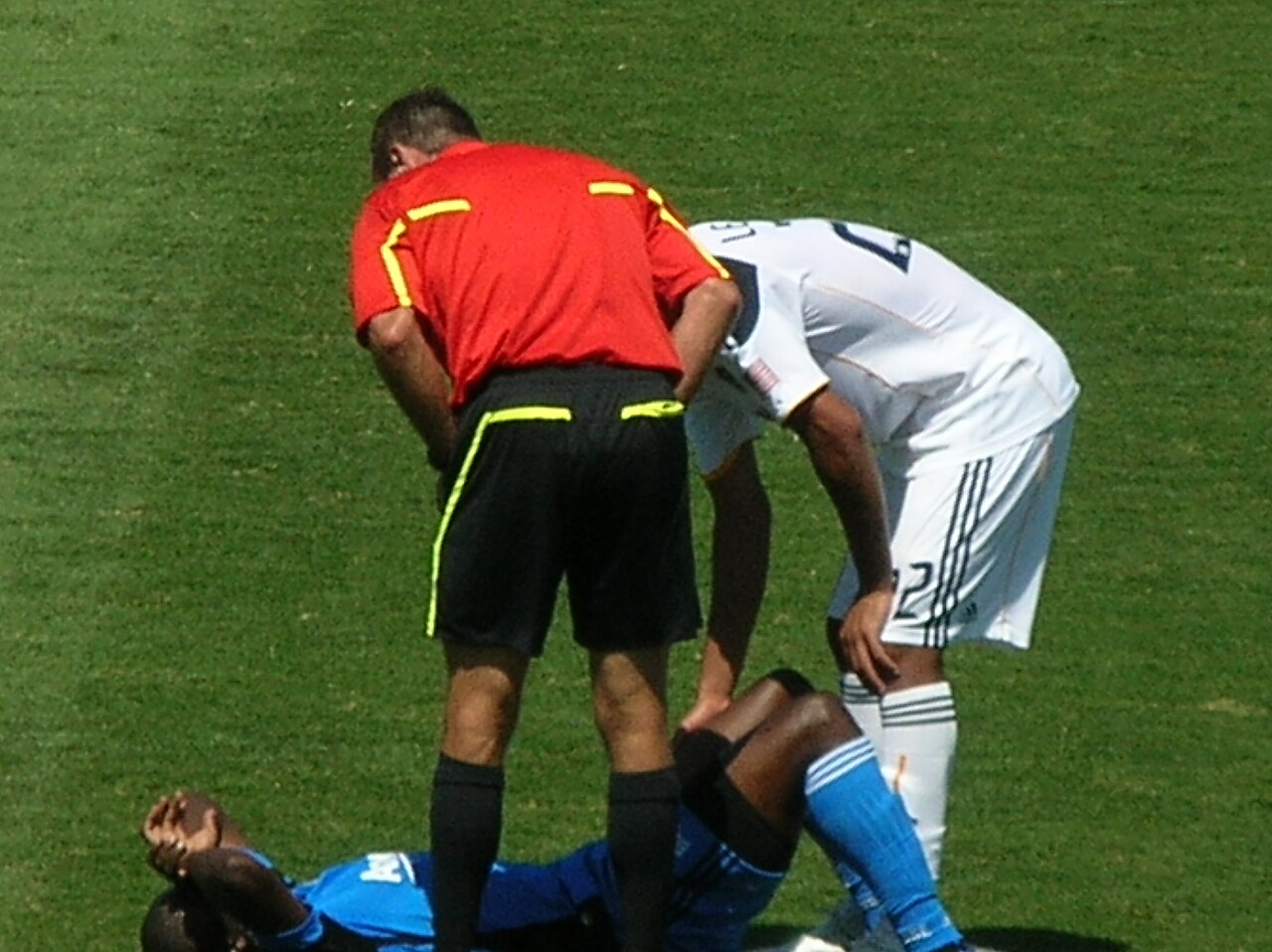
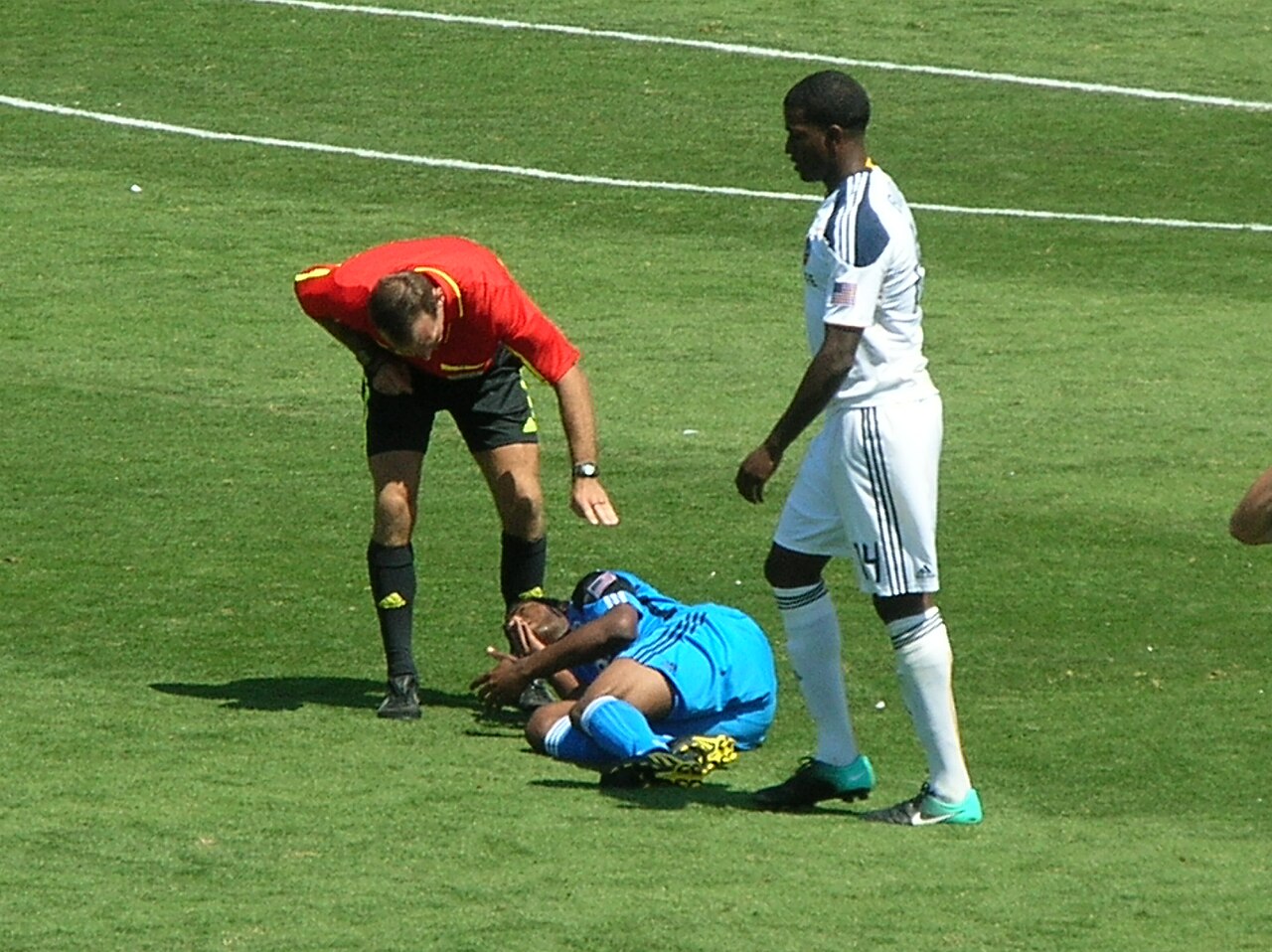
Sports injuries span soft tissue, bone, overuse, and head/neck trauma.

Wikipedia / Wikimedia Commons
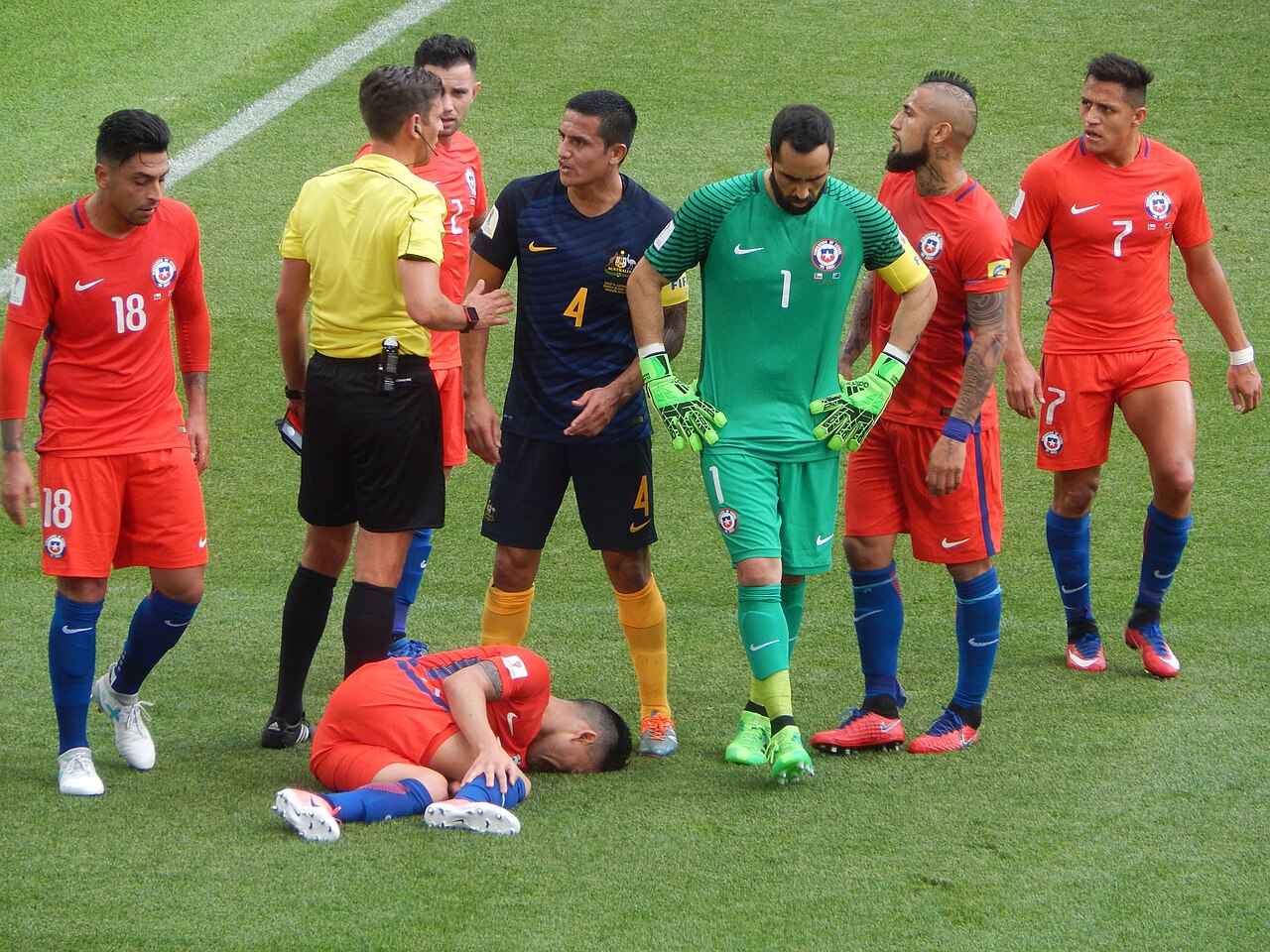
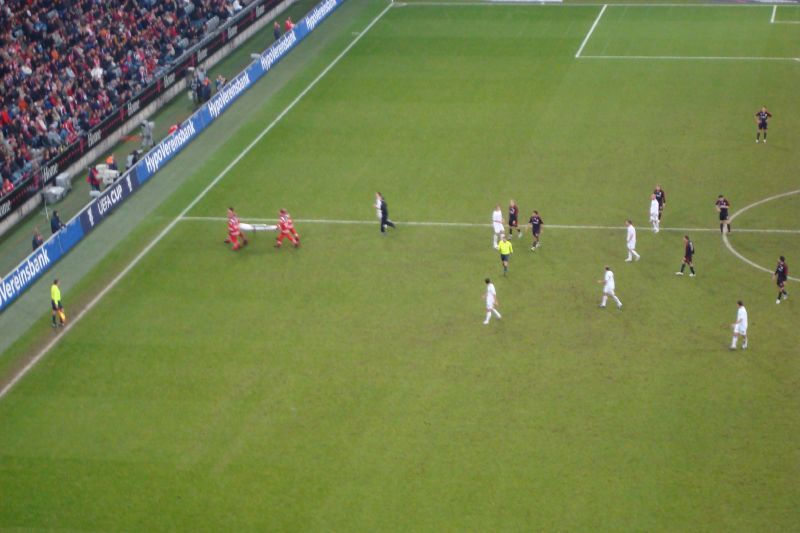
Sports injuries happen when someone gets hurt while playing sports or exercising. About 40% of people worldwide engage in regular physical activity or organized sports, and in the US, over 60% of high school students play at least one sport. These injuries make up about 2–5% of all emergency room visits each year, with rates ranging from 1.79 to 6.36 injuries for every 1,000 hours of activity. The topic covers the types of injuries, what raises the risk, how to prevent them, and how they affect athletes.
The kind of injury an athlete gets depends a lot on their age, gender, and the sport they play. The most common ones are bruises, fractures, and sprains, followed by cuts and overuse injuries. Head and neck injuries, though less frequent, are especially serious because of their potential severity. Sports medicine specialists focus on the injuries they see most often.
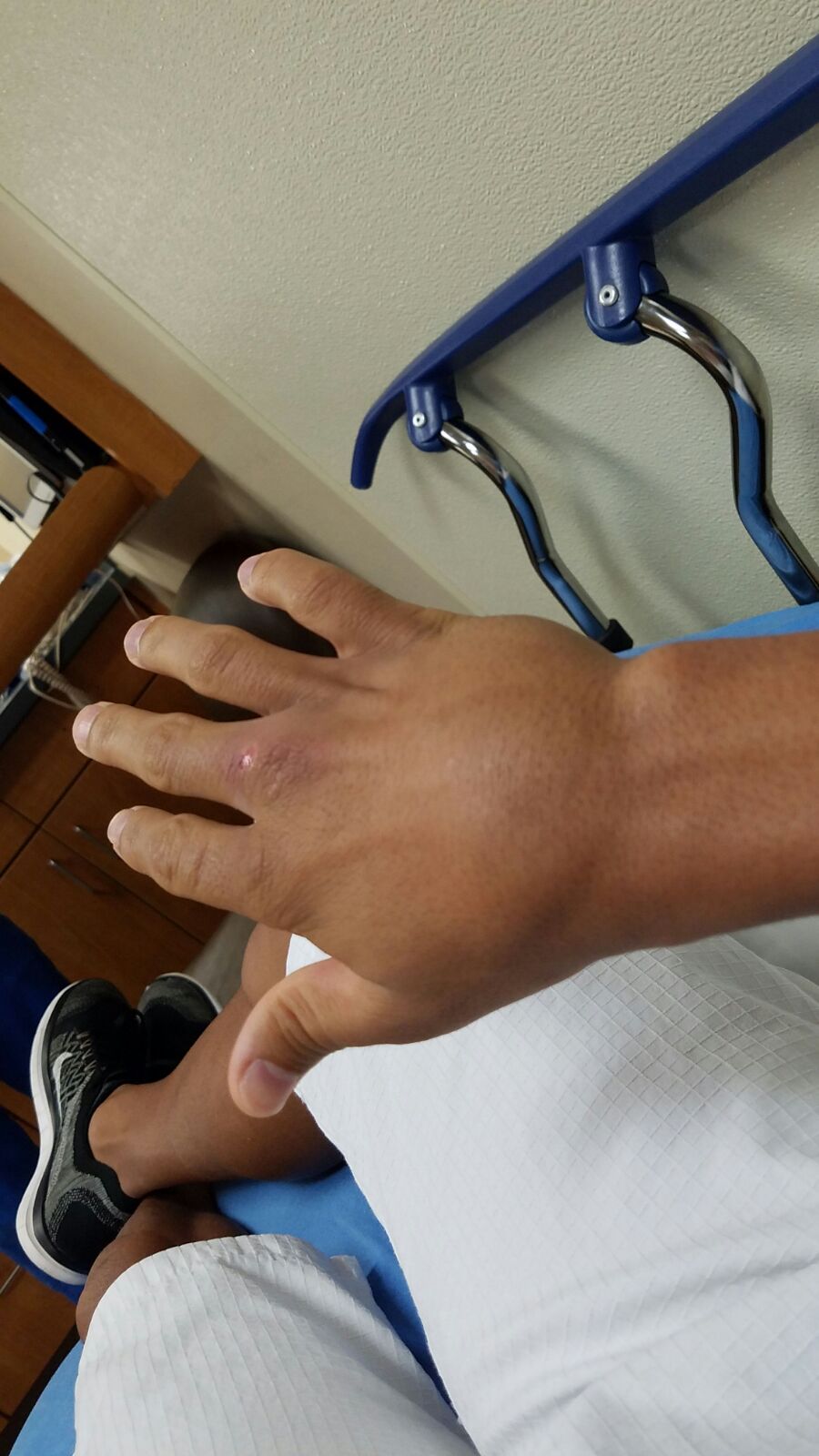
Soft tissue injuries fall into two main groups: those affecting connective tissue like skin, and those involving ligaments, tendons, or muscles. Skin injuries include contusions, abrasions, and lacerations. Contusions, or bruises, come from blunt force and are the simplest and most common type; severe ones can damage nerves or blood vessels underneath. Abrasions are shallow scrapes from shearing force that only reach the epidermis, usually bleed little, and rarely scar unless deep. Lacerations are open wounds from blunt trauma, ranging from a small nick to a deep cut that may involve major blood vessels or nearby structures. Facial lacerations vary widely—they can be inside or outside the mouth, from a surface scratch to a lip tear.
Another key group of soft tissue injuries affects the tendons and ligaments that support weight-bearing joints. Among these, certain injuries are especially common and important for sports medicine providers, as shown in the table below.
Bony injuries—affecting teeth and bones—happen less often than soft tissue injuries but tend to be more serious. Some contusions can signal deeper problems: Battle sign points to a basilar skull fracture, and raccoon eyes suggest midface fractures. Tooth fractures are the most common dental injury. They range from crown infractions (tiny cracks in the enamel only) to enamel-only fractures (rough edges, often unnoticed and not an emergency), enamel-dentin fractures (sensitive to air, cold, or touch, but can wait up to 24 hours for
- annual acute care visits
- 2–5%
- sports-related mortality from head/neck
- Varies by sport and context; no single reliable estimate available
Lore & Background
Overuse injuries arise from repetitive micro-trauma exceeding tissue repair capacity. They include tendinopathy (progressing from inflammatory tendinitis to degenerative tendinosis), stress reactions and stress fractures, and Juvenile Osteochondritis Dissecans. Head and neck injuries, while less common, are especially serious due to their potential severity, and the risk of mortality or permanent disability depends heavily on the specific sport and circumstances. Concussion is the most common head injury; repeat concussions can lead to chronic traumatic encephalopathy (CTE).
Reader's Guide
Sports injuries are a significant public health concern due to their high prevalence and potential for serious outcomes. The article notes that 15–20% of acute care visits are sports-related, with incidence rates varying by sport and participation level. Understanding injury types—soft tissue, bony, overuse, and head/neck—helps guide prevention and management. Risk factors include load management, training frequency, poor technique, and rapid growth in children. Prevention strategies such as rule modifications and protective equipment have shown efficacy for reducing concussions more than neck injuries. The Concussion in Sport Group regularly updates guidelines. The 2016 International Olympic Committee study reviewed 106 prior studies on load and injury risk. The severity of head and neck injuries, which cause most sports-related mortality and permanent disability, underscores the importance of sideline evaluation, return-to-play protocols, and spinal immobilization when spinal cord injury is suspected.
Did You Know?
- Globally, around 40% of individuals engage in regular exercise or organized sports.
- Sports injuries account for about 2–5% of annual emergency room visits.
- The risk of mortality from head and neck injuries varies widely by sport and context; no single reliable estimate is available.
The Moment of Rupture: How the ACL Fails
When the anterior cruciate ligament gives way—whether stretched, partially torn, or in its most common form, completely ruptured—the athlete typically hears a sharp pop or cracking sound emanating from the knee. This is followed almost immediately by pain and a rapid filling of the joint with blood, producing visible swelling that generally becomes apparent within a couple of hours. As the individual attempts to walk or resume activity, a distinctive instability called a pivot shift becomes evident: the tibia slides forward unchecked because the ligament can no longer hold it in place. Reduced range of motion and tenderness along the joint line compound the picture. In roughly half of all cases, the force that tears the ACL also damages neighboring structures, including surrounding ligaments, cartilage, or the meniscus. While the initial pain and swelling may fade on their own, the underlying instability persists. Athletes who return to competition without addressing this vulnerability risk inflicting further damage on an already compromised knee.
The Gender Disparity: Why Women's Knees Are More Vulnerable
In sports demanding cutting and jumping, female athletes face a two- to eight-fold higher likelihood of straining their ACL compared to male counterparts in the same disciplines. NCAA exposure data underscores this gap: women's basketball records 0.23 injuries per 1,000 athlete exposures versus 0.07 for men; women's football shows 0.28 against 0.09; and women's gymnastics tops the list at 0.33. Three of the four sports with the highest rates belong to women. Researchers point to several anatomical and hormonal contributors, including differences in leg and pelvis alignment, reduced active muscular protection of the knee, and greater ligament laxity linked to estrogen and relaxin. Birth control pills appear to lower the risk. Four neuromuscular imbalance theories further explain the disparity: ligament dominance, where muscles fail to absorb landing impact and the ligaments bear the force; quadriceps dominance, where overpowering quadriceps contraction pulls the tibia forward and strains the ACL; leg dominance, reflecting a tendency to load one side more heavily; and trunk dominance, noting that women are more likely to land with the upper body tilted and weight shifted to one leg.
From Diagnosis to Reconstruction: The Treatment Pathway
Confirming an ACL tear typically begins with a hands-on physical examination, during which a clinician looks for tenderness around the joint, diminished range of motion, and abnormal looseness. Magnetic resonance imaging is often employed to support and solidify the diagnosis. The treatment strategy that follows hinges largely on the patient's anticipated activity level. Individuals with modest future physical demands may find that nonsurgical management—bracing combined with structured physiotherapy—provides adequate stability and function. For athletes and highly active individuals, arthroscopic anterior cruciate ligament reconstruction is the standard recommendation. The procedure replaces the torn ligament with a tendon harvested from another region of the patient's own body or from a cadaver. Surgeons deliberately wait until the initial post-injury inflammation has subsided before operating, and they advise building up strength in the donor muscle beforehand to minimize the risk of secondary injury. Post-surgical rehabilitation proceeds gradually, first restoring the joint's range of motion and then progressively strengthening the surrounding musculature.
Prevention, Prevalence, and the Long Shadow of a Torn Ligament
Prevention of ACL injuries centers on neuromuscular training and core strengthening, yet the condition remains widespread. In the United States, approximately 200,000 to 250,000 people sustain an ACL injury each year, translating to roughly a one-in-3,000 lifetime probability for any individual. About 80 percent of these tears occur without any direct external contact, arising instead from rapid direction changes, awkward landings, or sudden deceleration while running. Risk factors span female anatomy, participation in specific sports such as alpine skiing, football, netball, American football, and basketball, poor conditioning, fatigue, and playing on artificial turf. The long-term consequences are sobering: adults who suffer a complete tear face a heightened rate of subsequent knee osteoarthritis, and notably, the chosen treatment strategy—surgical or nonsurgical—does not appear to alter this elevated risk. The condition is not exclusive to humans; ACL tears are also documented in animals, including dogs, underscoring that the vulnerability of this ligament is a fundamental biomechanical reality across species.
Gallery

Frequently Asked Questions
What counts as a sports injury?
A sports injury is any physical harm—ranging from soft-tissue damage to bone breaks—that occurs while a person is playing a sport or doing exercise. The term covers everything from simple contusions and sprains to more serious overuse conditions and head trauma.
How common are sports injuries in everyday life?
They account for roughly 15–20% of all emergency-room visits each year, with incidence rates between 1.79 and 6.36 injuries per 1,000 hours of activity. Given that about 40% of people worldwide participate in regular physical activity and over 60% of US high-schoolers play at least one sport, these numbers reflect a widespread concern.
What are the most prevalent types of sports injuries?
The most frequently seen categories are contusions, fractures, sprains, wounds, and overuse injuries. Together they span soft-tissue damage, bone trauma, repetitive-stress problems, and head or neck injuries.
What factors influence which injury an athlete is likely to sustain?
Age, gender, and the specific sport being played all shift the risk profile significantly. A young soccer player, for example, faces a different injury pattern than an older weightlifter or a female marathon runner.
How many concussions occur in the US each year?
Estimates place the annual number of concussions in the United States at roughly 1.6 to 3.8 million. Head and neck trauma is one of the major injury categories tracked within the broader sports-injury landscape.
More in Sports injuries 1-24
Spotted an error? Know more?
This is a living reference — every entry is fact-audited, and reader corrections feed straight into our audit queue. Suggest an edit · See this site's audit record