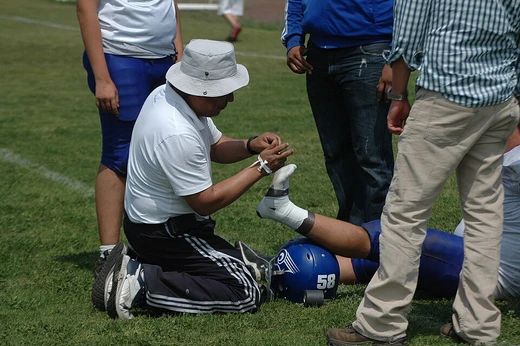
Anterior cruciate ligament injury
ACL injury involves stretching or tearing of the knee ligament.

Wikipedia / Wikimedia Commons
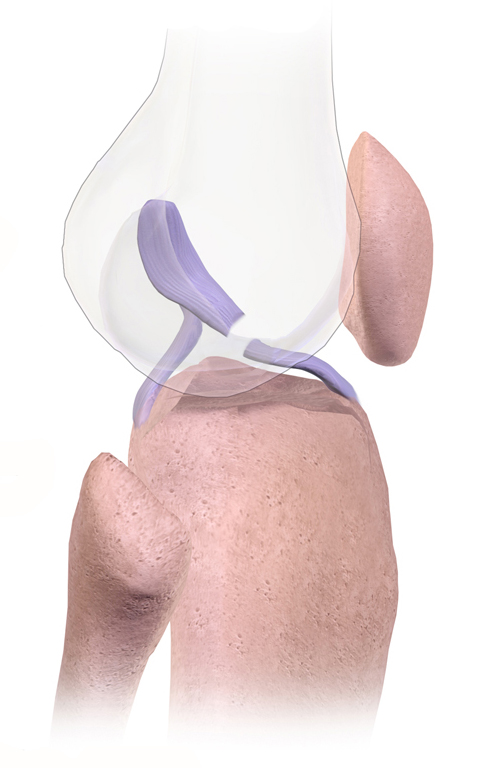
An anterior cruciate ligament (ACL) injury occurs when the ACL is stretched, partially torn, or completely torn, with complete tears being the most common. Symptoms include pain, an audible cracking sound during injury, knee instability, and joint swelling that typically appears within a couple of hours. In about 50% of cases, other knee structures such as surrounding ligaments, cartilage, or meniscus are also damaged. The injury is common in athletes, particularly in sports like alpine skiing, football (soccer), netball, American football, and basketball, and affects approximately 200,000 people per year in the United States.
- annual incidence (global)
- 200,000 to over 1 million
- highest female injury rate
- soccer or basketball (rates vary by study; no single sport is universally accepted as highest)
Lore & Background
The underlying mechanism often involves a rapid change in direction, sudden stop, landing after a jump, or direct contact to the knee. About 80% of ACL injuries occur without direct trauma. Diagnosis is typically made by physical examination, sometimes supported by MRI, and physical examination often shows tenderness, reduced range of motion, and increased looseness of the joint. In some sports, women have a higher risk of ACL injury, while in others, both sexes are equally affected. Before puberty, no difference in frequency between sexes is observed.
Reader's Guide
Prevention is by neuromuscular training and core strengthening. Treatment recommendations depend on desired level of activity; for low activity levels, nonsurgical management including bracing and physiotherapy may be sufficient, while for high activity levels, surgical repair via arthroscopic anterior cruciate ligament reconstruction is often recommended. Surgery involves replacement with a tendon taken from another area of the body or from a cadaver, and rehabilitation slowly expands range of motion and strengthens muscles around the knee. Surgery is generally not performed until initial inflammation resolves. While adults with a complete tear have a higher rate of later knee osteoarthritis, treatment strategy does not appear to change this risk. ACL tears can also occur in some animals, including dogs.
Did You Know?
- In approximately 50% of cases, other structures of the knee such as surrounding ligaments, cartilage, or meniscus are damaged.
- About 80% of ACL injuries occur without direct trauma.
- Female athletes are two to eight times more likely to strain their ACL in cutting and jumping sports compared to men.
- Some studies have explored hormonal influences on ACL injury risk, but the claim that birth control pills decrease risk is not supported by current medical consensus.
The Moment of Rupture – Mechanism and Immediate Symptoms
The ACL gives way when the tibia slides too far forward relative to the femur, or the femur shifts too far backward. This displacement is most often triggered by non-contact events: a sharp cutting maneuver, an awkward landing from a jump, or an abrupt deceleration while running. Roughly 80 percent of ACL ruptures occur without any external blow to the knee, though direct collisions—such as a tackle in football or a traffic accident—can also be the inciting event. The athlete typically hears or feels a distinct pop at the moment of failure. Within a couple of hours the joint fills with blood, producing visible swelling and pain. Once the person tries to walk or pivot, a characteristic instability called a pivot shift becomes apparent because the ligament can no longer hold the tibia in place. Tenderness along the joint line and a reduced range of motion round out the acute picture. If the swelling and pain fade on their own, the knee remains mechanically unstable, and returning to sport without intervention risks further structural damage.
Why Women Are Disproportionately Affected
Female athletes face a two-to-eight-fold higher risk of ACL strain in cutting and jumping sports compared with male counterparts playing the same games. NCAA exposure data illustrate the gap: women's basketball shows a rate of 0.23 per 1,000 athlete exposures versus 0.07 for men; women's football 0.28 versus 0.09. Gymnastics carries the highest female rate at 0.33. Three of the four sports with the highest overall ACL injury rates are women's disciplines. Researchers point to several contributing factors: differences in pelvic and lower-limb alignment, hormonal influences from estrogen and relaxin that increase ligament laxity, and reduced active muscular protection of the knee. Four neuromuscular dominance theories attempt to explain the biomechanical pattern: ligament dominance (insufficient muscular shock absorption forcing the ligament to bear impact), quadriceps dominance (excessive quad contraction pulling the tibia forward onto the ACL), leg dominance (asymmetric single-leg loading), and trunk dominance (poorer oblique activation leading to a tilted upper body at landing). Interestingly, oral contraceptive use appears to lower a woman's ACL injury risk, hinting at a hormonal component.
From Diagnosis to Reconstruction
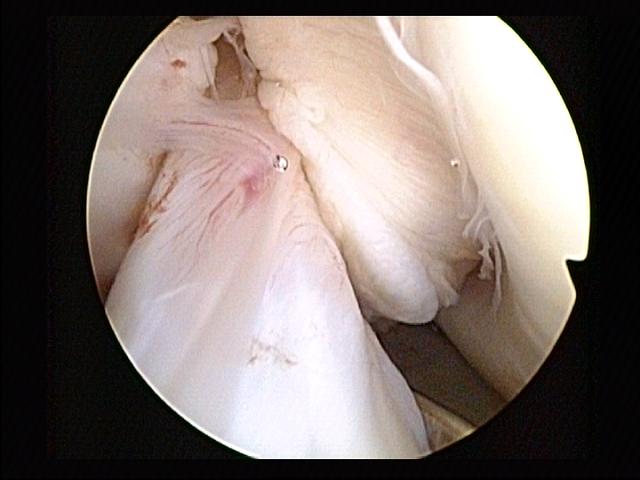
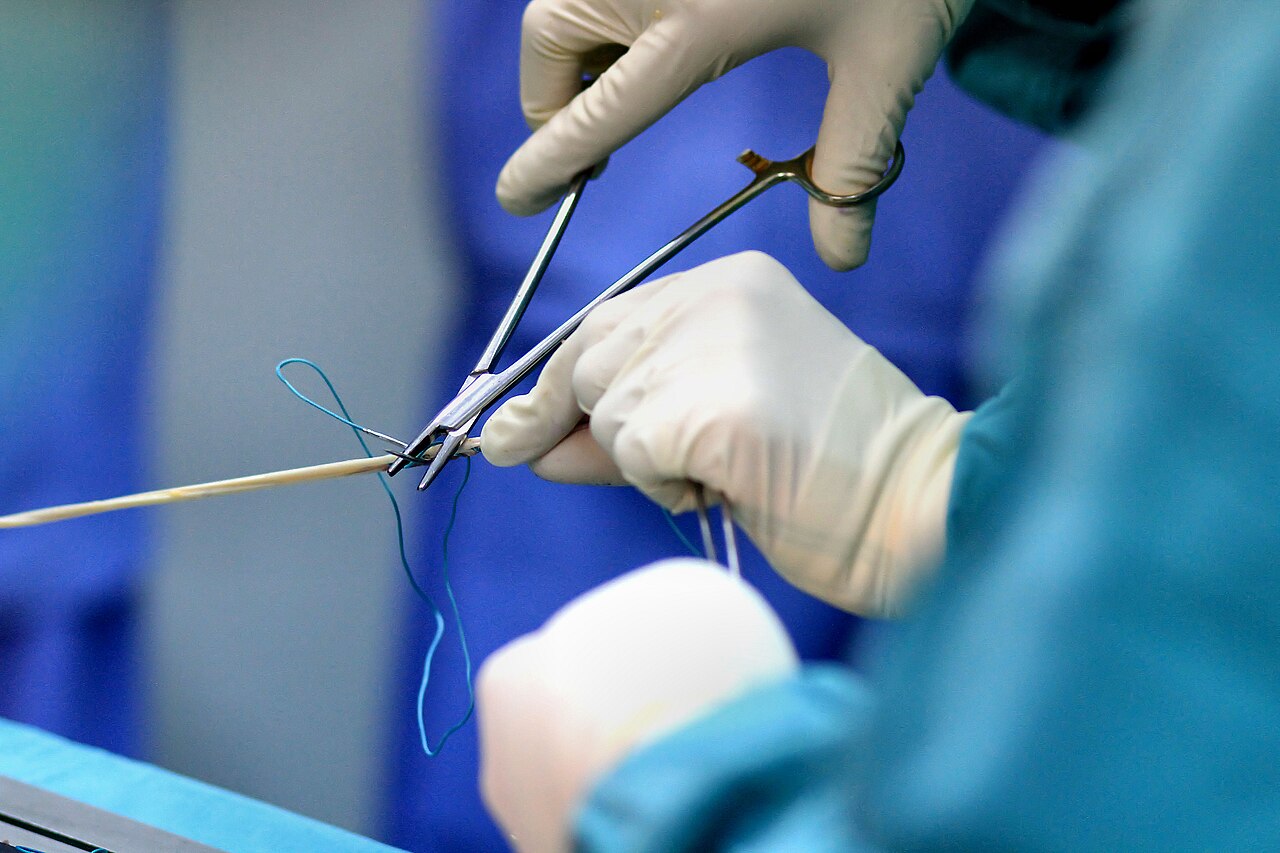
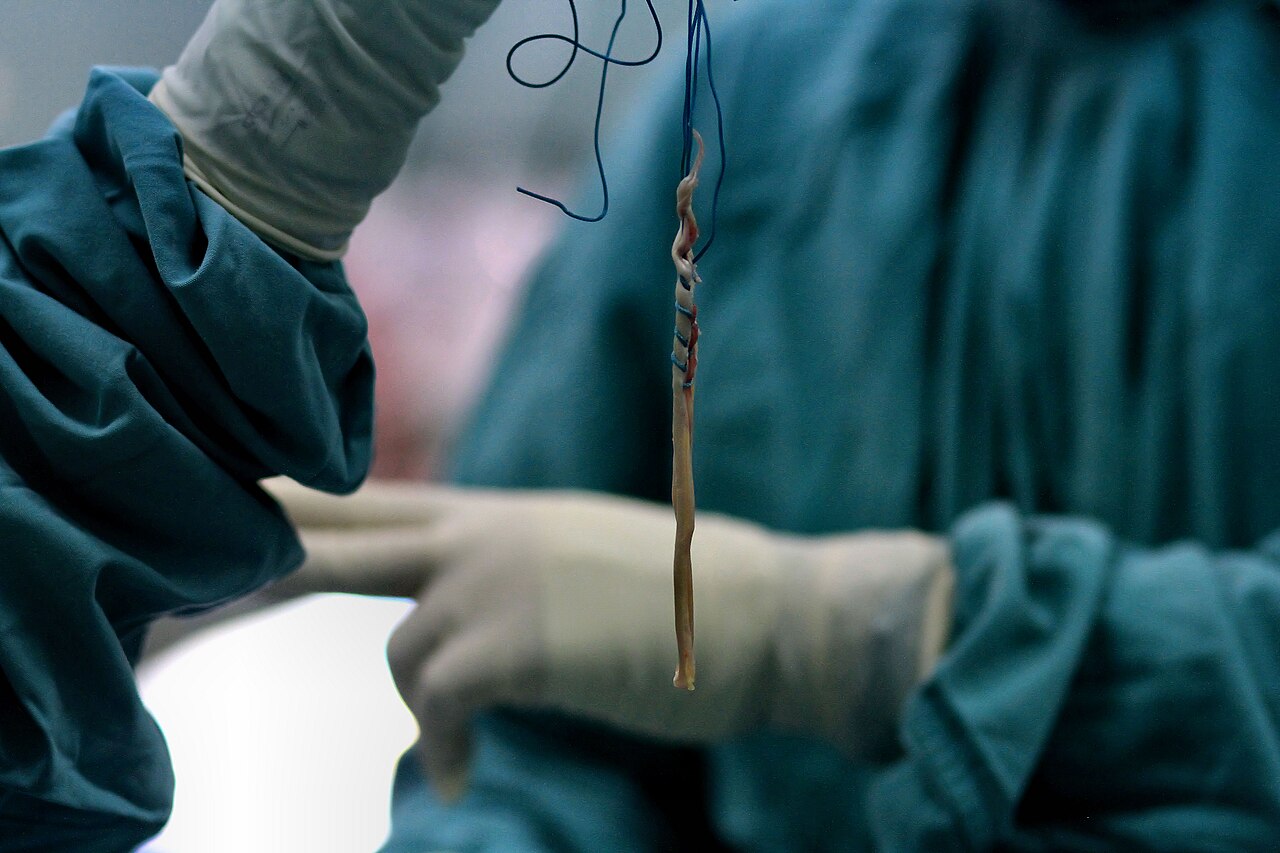
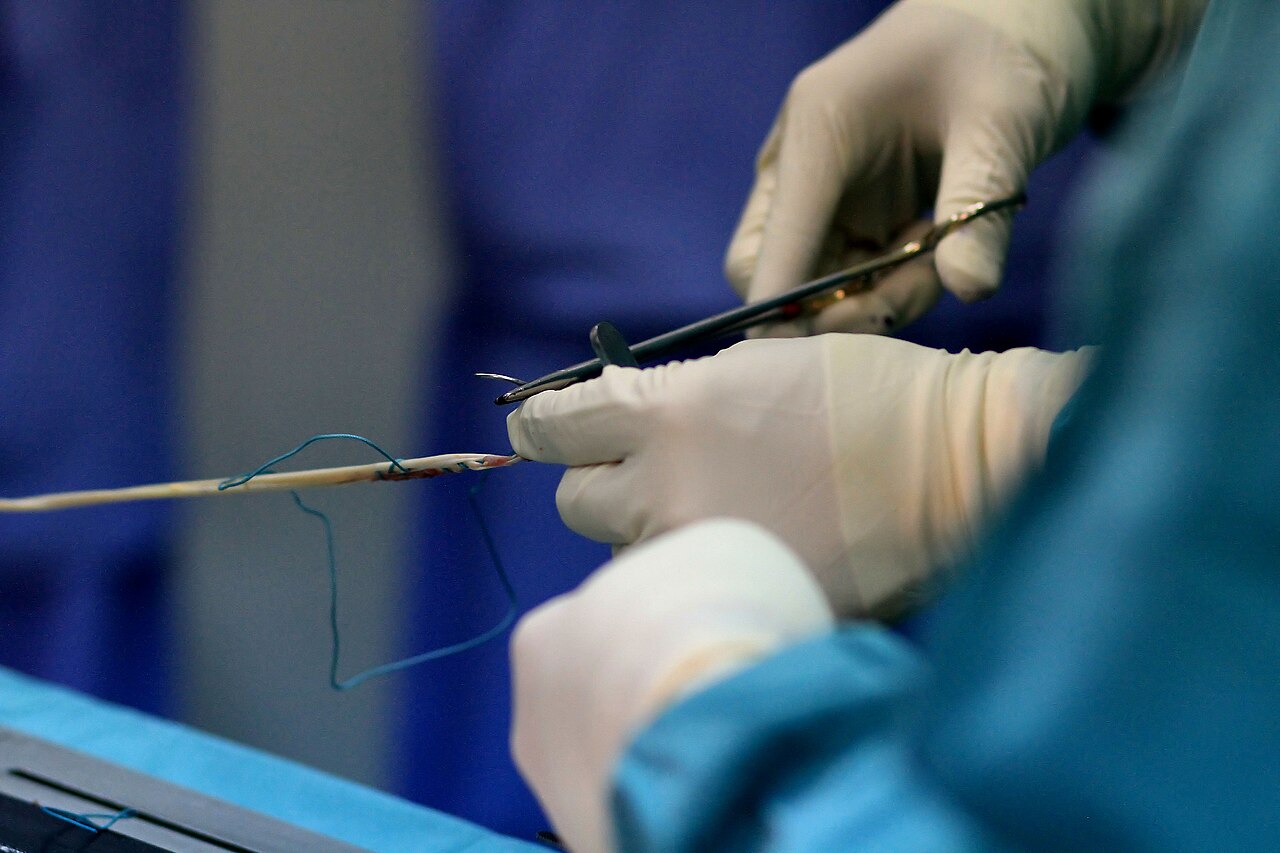
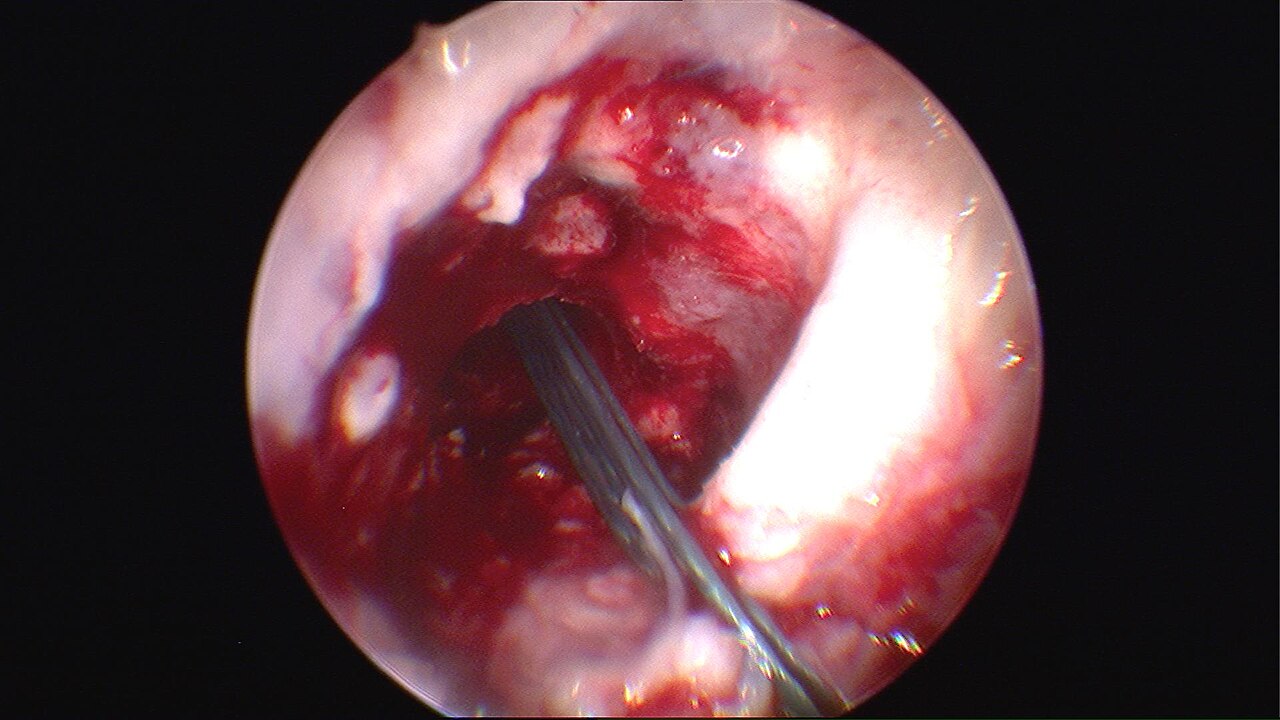
Diagnosis begins with a focused physical examination: the clinician looks for tenderness around the joint, a restricted range of motion, and increased anterior looseness of the tibia. Magnetic resonance imaging is often employed to confirm the clinical picture and to identify the roughly 50 percent of cases in which the meniscus, cartilage, or neighboring ligaments are also compromised. Treatment is tailored to the patient's anticipated activity level. Individuals planning a sedentary future may be managed conservatively with a knee brace and a structured physiotherapy program. Athletes and highly active patients are generally steered toward arthroscopic ACL reconstruction, in which the torn ligament is replaced by a tendon harvested from another site in the same body or from a cadaver donor. Surgery is deliberately postponed until the initial inflammatory swelling has subsided, and the patient is encouraged to build strength in the donor-muscle region beforehand to minimize the risk of a secondary injury. Post-operative rehabilitation proceeds gradually, first restoring the joint's range of motion and then progressively strengthening the musculature surrounding the knee.
Scale, Long-Term Risk, and Broader Context
The sheer volume of ACL injuries is striking: estimates range from 200,000 to 250,000 cases per year in the United States alone, translating to roughly a one-in-three-thousand lifetime probability for any individual. The condition is not limited to humans; ACL tears are also documented in animals such as dogs. A sobering long-term statistic is that adults who sustain a complete tear show a higher incidence of knee osteoarthritis later in life, yet the choice between surgical and nonsurgical treatment does not appear to alter that trajectory. In about half of all ACL injuries, additional structures—surrounding ligaments, articular cartilage, or the meniscus—are damaged simultaneously, complicating both the acute management and the long-term outlook. Prevention strategies focus on neuromuscular training and core strengthening, while risk factors span poor conditioning, fatigue, playing on artificial turf, and the sex-specific biomechanical patterns described earlier. The interplay of these factors makes ACL injury one of the most consequential and frequently studied problems in sports medicine.
Gallery
Frequently Asked Questions
What is an Anterior cruciate ligament injury?
It is a condition in which the ACL, the key stabilising ligament running through the centre of the knee, gets stretched, partially torn, or fully ruptured. Complete tears are the most common presentation, and roughly 250,000 cases are logged worldwide every year.
Which sports carry the highest Anterior cruciate ligament injury risk?
Alpine skiing, football (soccer), netball, American football, and basketball are the sports most frequently associated with ACL tears. The mechanism usually involves a sudden change of direction, a hard landing, or a direct collision that overloads the ligament.
What symptoms indicate an Anterior cruciate ligament injury?
Athletes typically report a sharp pain paired with an audible cracking or popping sound at the moment of injury, followed by a feeling of knee instability. Swelling generally sets in within a couple of hours, and in about half of all cases the meniscus, cartilage, or neighbouring ligaments are damaged as well.
How is an Anterior cruciate ligament injury treated?
Players can follow a conservative path that combines knee bracing with a structured physiotherapy programme to restore stability and strength. When the tear is complete or the knee remains unstable, surgical reconstruction of the ligament is the standard option.
Why are female athletes at greater risk for Anterior cruciate ligament injury?
Women are estimated to be two to eight times more likely than men to suffer an ACL tear in cutting and jumping sports. Gymnastics records the highest female injury rate at roughly 0.33 cases per 1,000 athlete exposures, suggesting that repetitive high-impact loading compounds the already elevated baseline risk.
More in Sports injuries 1-24
Spotted an error? Know more?
This is a living reference — every entry is fact-audited, and reader corrections feed straight into our audit queue. Suggest an edit · See this site's audit record