Achilles tendon rupture
Breakage of the strongest tendon in the body, often from sports.

Wikipedia / Wikimedia Commons
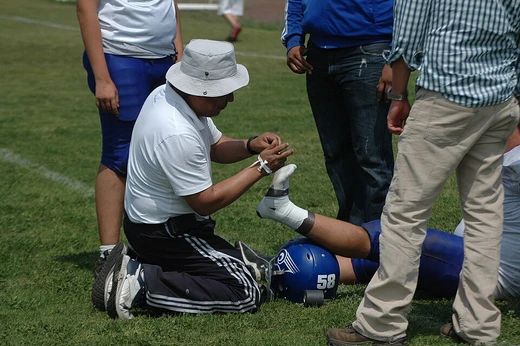
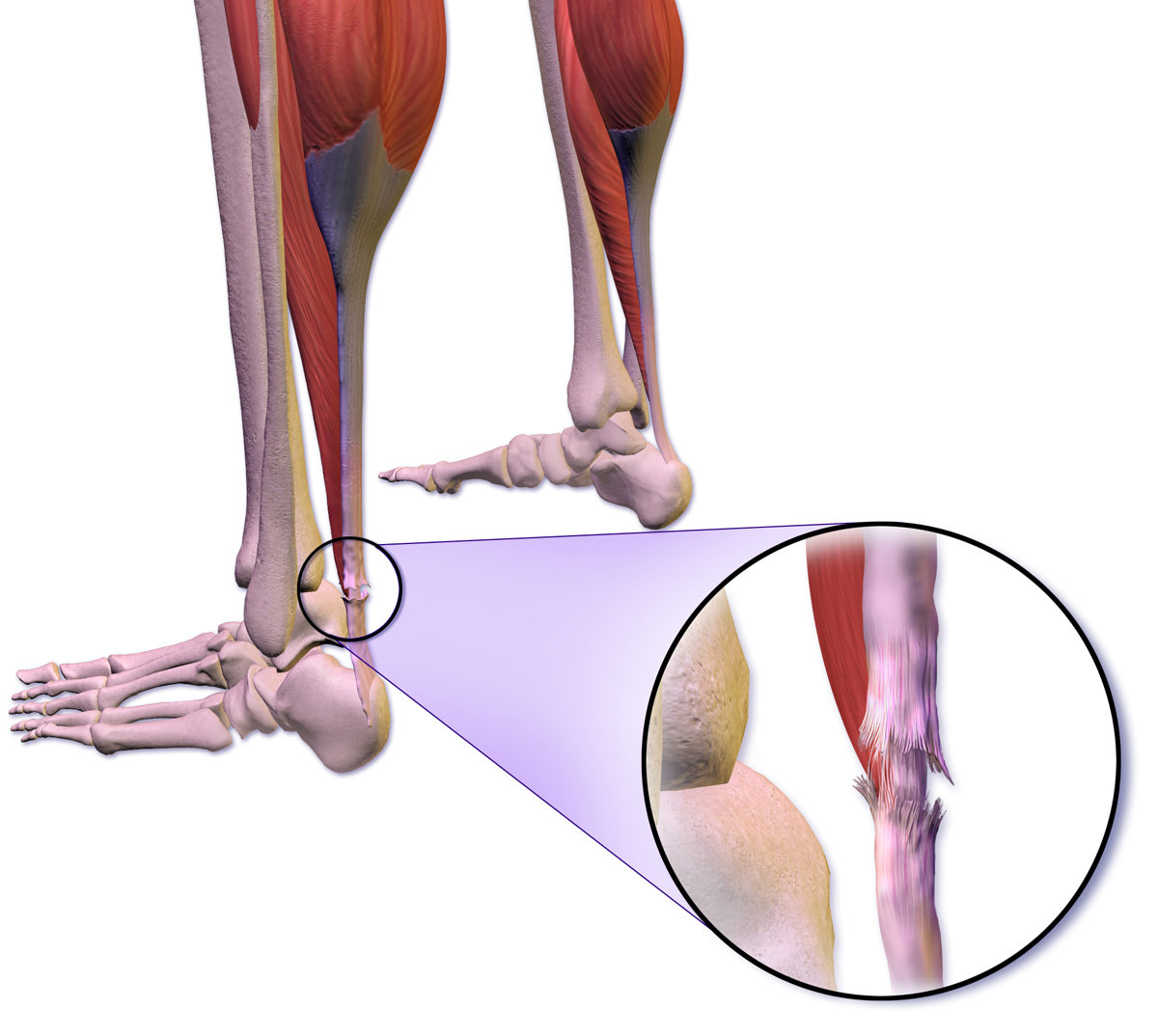
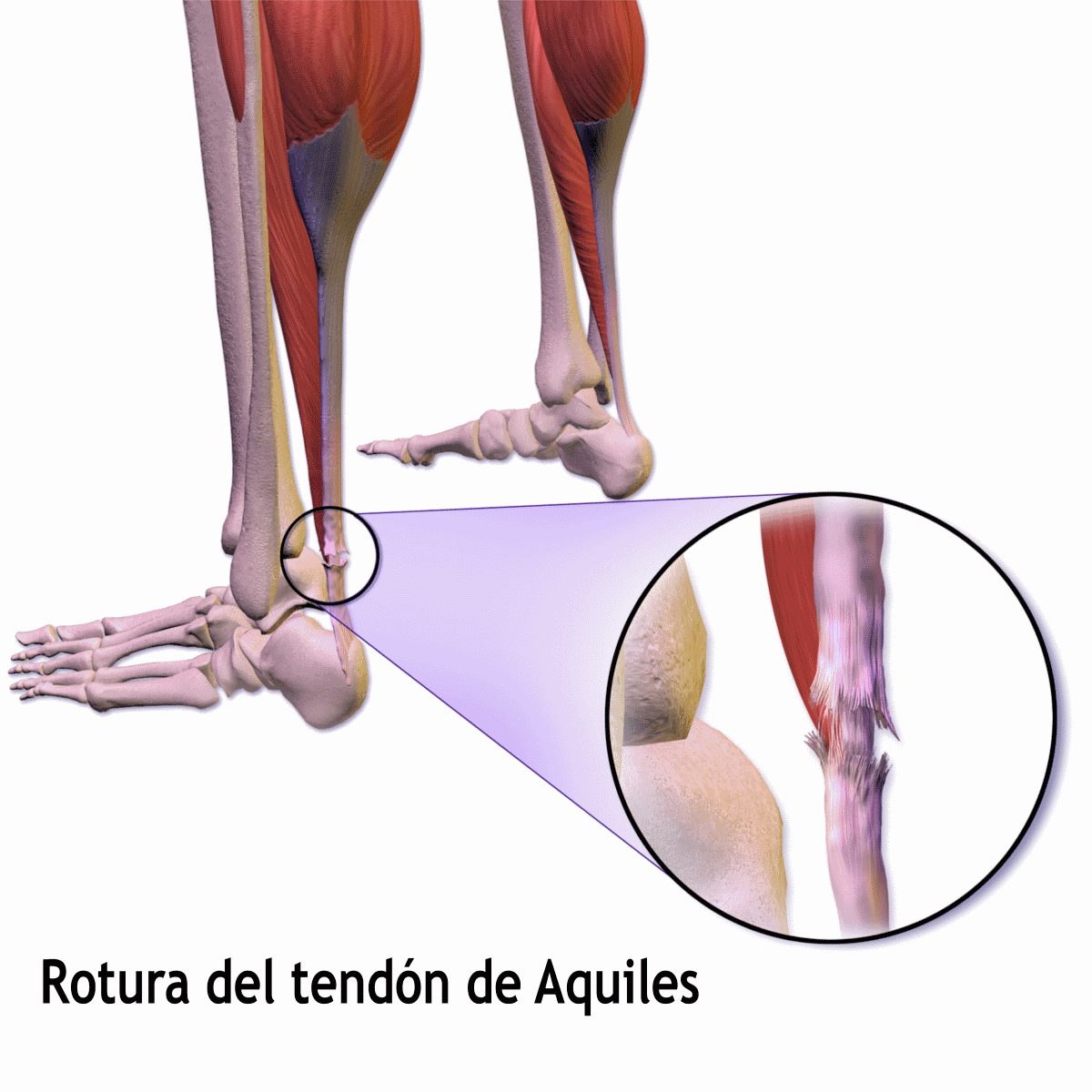
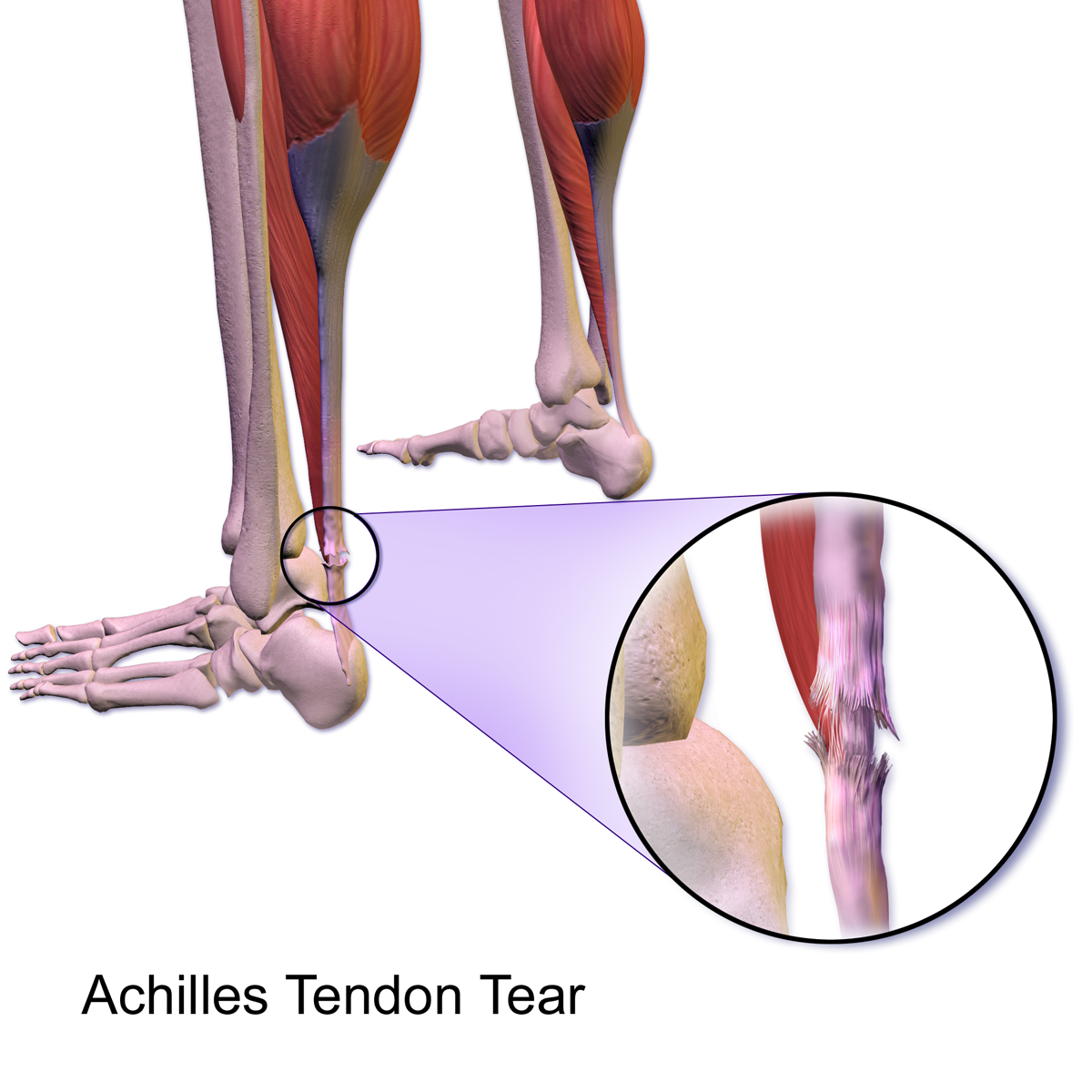
Achilles tendon rupture is the breakage of the Achilles tendon at the back of the ankle. Symptoms include the sudden onset of sharp pain in the heel, a snapping sound may be heard as the tendon breaks, and walking becomes difficult. The condition primarily affects recreational athletes, older people, and those with previous tendon injuries, with a significant increase in ruptures in recent decades linked to increased sporting activity among adults older than 30.
- incidence
- Approximately 18 to 30 per 100,000 patient population annually
- male_to_female_ratio
- Roughly 4:1 to 6:1
Lore & Background
The Achilles tendon is the strongest and thickest tendon in the body, connecting the calf muscles to the heel bone. Rupture usually occurs due to sudden forceful movements, such as pushing off or abrupt dorsiflexion of the foot while the calf muscle is engaged, or direct trauma. Chronic degeneration from tendinosis also increases likelihood. Common risk factors include fluoroquinolone or corticosteroid use, sudden increases in physical activity, inflammatory conditions like rheumatoid arthritis and gout, and chronic overuse or improper training.
Reader's Guide
Achilles tendon rupture is a significant injury with rising incidence, particularly among adults over 30 engaging in recreational sports, where 75% of ruptures occur in men between the third and fourth decades of life. Diagnosis is primarily based on clinical symptoms and physical examination, with ultrasound or MRI used for confirmation. Treatment options include surgical repair or conservative management; while surgery traditionally results in a small decrease in re-rupture risk, it carries greater risk of other complications such as infection and nerve damage. Non-surgical treatment is an alternative with comparable re-rupture rates and satisfactory outcomes when early range of motion rehabilitation is available. Quick return to weight bearing within 4 weeks is often recommended, and outcomes are worse if treatment does not occur within 4 weeks of injury. The condition's significance lies in its impact on active individuals and the ongoing debate over optimal management.
Did You Know?
- The free Achilles tendon is typically 5 to 6 centimeters long, though the entire structure including the intramuscular portion can be up to 15 centimeters.
- A common physical exam test for rupture is the Simmonds' (Thompson) test, where squeezing the calf muscle should produce no foot movement if the tendon is torn.
- Ultrasound is recommended over MRI for diagnosis due to convenience, quick availability, and cost.
- Around 80% of individuals return to sport after treatment for Achilles tendon rupture.
The Body's Strongest Tendon: Anatomy in Focus
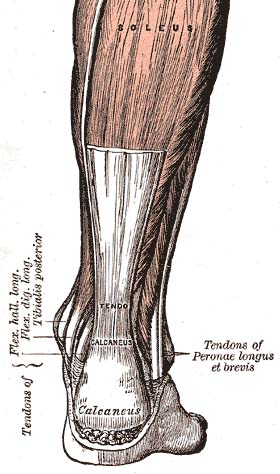
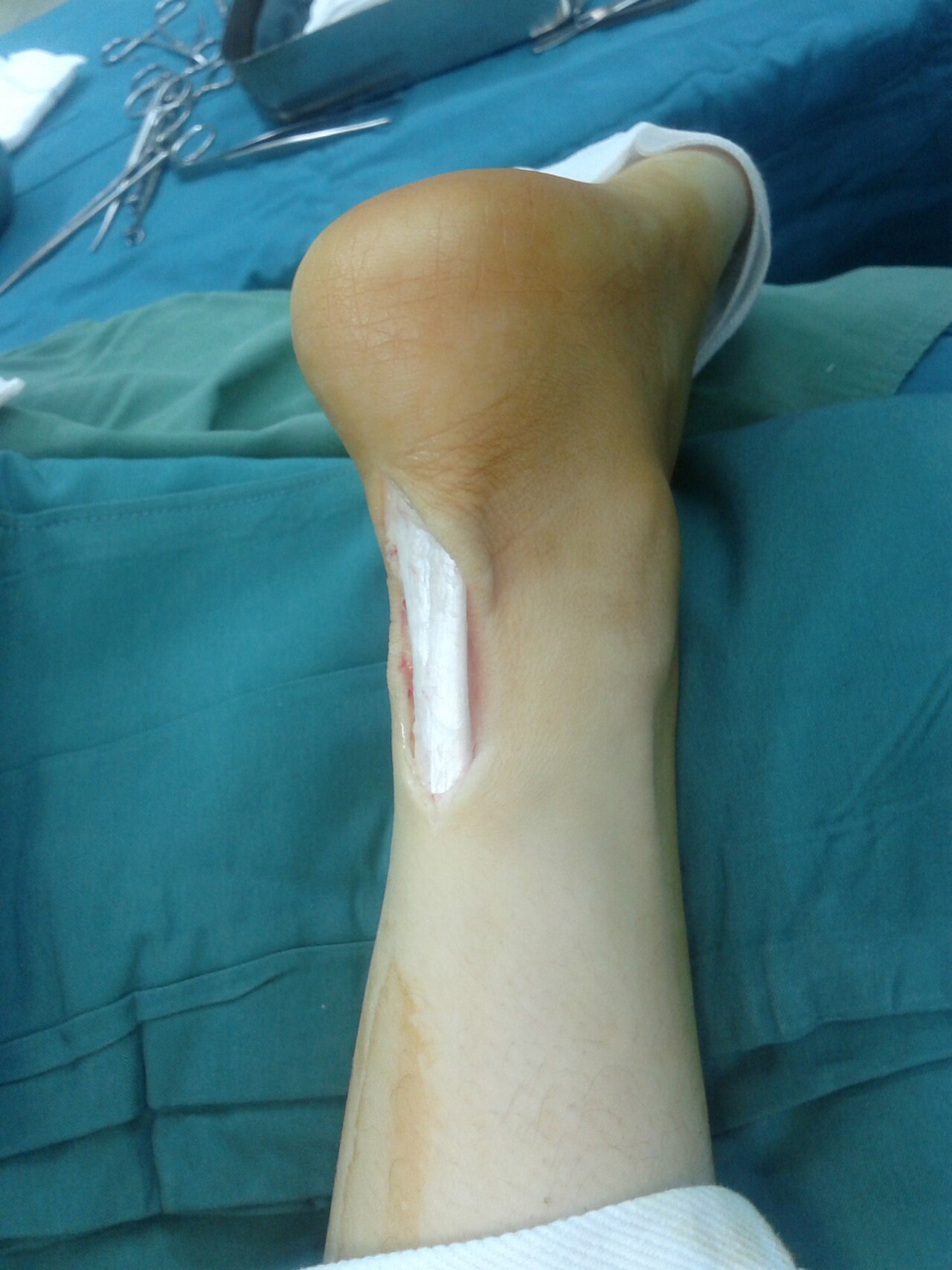
The Achilles tendon stands as the thickest and most robust tendon in the entire human body, stretching roughly fifteen centimeters from the mid-calf down to the heel. It serves as the critical link between the gastrocnemius and soleus muscles of the calf and the calcaneus, the heel bone. Through this connection, contraction of the calf muscles drives the foot into downward flexion—a motion that underpins walking, running, and jumping. The tendon's blood supply arrives at the junction where muscle transitions into tendon, while nerve innervation is supplied primarily by the sural nerve with a lesser contribution from the tibial nerve. Grasping this anatomy is essential, for the same mechanical demands that make the tendon so powerful—repeated high-force contraction and impact loading—also render it susceptible to catastrophic failure when subjected to sudden stress that exceeds its structural limits.
The Sudden Snap: Recognizing the Injury in Real Time
The hallmark of an Achilles tendon rupture is an abrupt, sharp pain striking the heel, often described by patients as feeling kicked or shot from behind the lower leg. Many report hearing or feeling a distinct snap or pop at the moment the tendon gives way. Walking becomes immediately difficult, and the person typically cannot push off the ground or rise onto the toes of the affected foot. Swelling around the heel frequently follows. During a physical examination, a clinician may detect a palpable gap above the heel, though heavy swelling can obscure this finding. The Thompson test—squeezing the calf while the patient lies prone with feet dangling—reveals a positive result when no passive plantarflexion of the foot occurs, confirming the tendon's discontinuity. While history and exam alone often suffice, ultrasound imaging may be employed to confirm the diagnosis and later track healing progress over time.
Who Is at Risk: Demographics, Medications, and Lifestyle
Achilles tendon ruptures are overwhelmingly traumatic sports injuries, yet the population at risk extends well beyond elite athletes. The average patient falls between twenty-nine and forty years old, with a striking male-to-female ratio approaching twenty to one. In recreational settings, three-quarters of ruptures strike men in their thirties and forties. However, incidence is climbing across all age groups up to sixty, a trend attributed to growing participation in sport among older adults and the so-called "weekend warrior" phenomenon. Chronic degeneration from tendinosis, sudden spikes in training intensity, and prolonged inactivity followed by abrupt exertion all elevate risk. Medications play a notable role: fluoroquinolone antibiotics and corticosteroid use have been linked to increased vulnerability, with risk scaling alongside dose and duration of exposure. Inflammatory conditions such as rheumatoid arthritis and gout, as well as kidney disease, further compound susceptibility. Recent data suggest rates as high as forty per hundred thousand annually, reflecting the broader cultural shift toward lifelong physical activity.
Treatment Pathways: Surgery, Conservative Care, and the Four-Week Window
Management of an Achilles rupture splits into two broad pathways: surgical repair and conservative, non-operative treatment. Surgery has traditionally been favored because it yields a modest reduction in re-rupture risk, though it carries a higher likelihood of other postoperative complications. Growing evidence, however, supports non-surgical management, demonstrating comparable rerupture rates and satisfactory functional outcomes to the operative approach. A critical factor in either pathway is the speed of intervention: outcomes deteriorate noticeably if appropriate treatment is not initiated within four weeks of the injury. Encouragingly, early return to weight bearing—within that same four-week window—appears safe and is frequently recommended by clinicians. Ultrasound imaging serves as a practical and cost-effective tool for monitoring tendon thickness and healing progress throughout recovery, generally preferred over MRI for this specific purpose owing to its convenience, quick availability, and lower cost.
Gallery
Frequently Asked Questions
What is Achilles tendon rupture?
It is the tearing of the body's strongest tendon, the band of tissue running from the calf muscles down to the heel bone at the back of the ankle. The rupture usually happens when a sudden, forceful push-off or abrupt ankle movement overloads the structure beyond what it can tolerate.
Who is most at risk for Achilles tendon rupture?
The injury overwhelmingly strikes men—roughly twenty times more often than women—and peaks between ages 29 and 40. Recreational athletes, older adults, and anyone with prior tendon damage, inflammatory conditions, or recent fluoroquinolone/corticosteroid exposure face noticeably higher risk.
How does an Achilles tendon rupture actually happen?
It typically occurs during a sudden explosive push-off, a rapid dorsiflexion of the foot, or a direct blow to the heel. Chronic overuse, a sharp jump in training volume, or underlying inflammatory disease can weaken the tendon enough that one forceful movement snaps it.
What do the symptoms of Achilles tendon rupture look like?
Patients describe a sudden, sharp pain at the heel, often paired with an audible snapping sound as the fibers give way. Pushing off the foot or walking becomes markedly difficult in the moments right after the break.
How is Achilles tendon rupture treated?
Management splits into two main paths: surgical repair of the torn tendon or a conservative, non-operative course of immobilization followed by rehabilitation. The decision hinges on tear severity, the patient's activity demands, and overall health.
More in Sports injuries 1-24
Spotted an error? Know more?
This is a living reference — every entry is fact-audited, and reader corrections feed straight into our audit queue. Suggest an edit · See this site's audit record